
Opens in a new tab
GeekPack
Join the free classBusy Weeks, Broke Months
← All stories
Member story
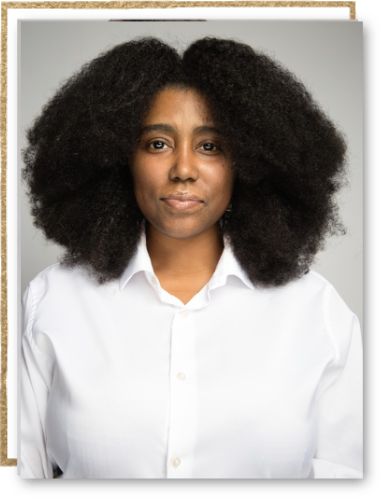
Octavia

7 Grants. 3 Events. A Revenue Record. What Six Weeks of the Right System Can Do.

Visit Octavia’s website ↗
Octavia
The short version

A biomedical scientist-turned-founder who took a leap of faith to go full-time – and finally found the systems to match her ambition.

A Scientist, a Skincare Brand, and a Leap of Faith

Octavia holds a master’s degree in biomedical science. She formulates every product in her skincare line herself. She knows exactly why each ingredient is there, what it does to the skin barrier, and why it matters. For the construction worker washing their hands at the end of a shift or the healthcare professional doing it fifty times a day.

For ten years, Touch of OShea – her clean-ingredient, plant-based therapeutic skincare brand – existed alongside a full-time career. A passion project. A hobby that she always imagined would become something more.

Then, in February 2025, she was laid off.

“I made a judgment call,” she says. “I prayed a lot and made a judgment call that instead of trying to get back into the cycle to find another job… I made a decision by faith to pursue my brand full-time.”

2026 was the first year she gave Touch of OShea everything. And everything, it turned out, wasn’t quite enough on its own.


Busy, But Not Productive

The transition was harder than she expected. She’d gone from working inside a company with thousands of employees to being the only one. The anxiety crept in. So did the overthinking.

“So much that I thought I knew… I really didn’t know as much as I thought,” she says. “There’s a lot of anxiety. There’s so much overthinking.”

She came across GeekPack on the Verizon Digital Ready platform, through one of our training sessions she heard Julia say that you can be doing a lot of work and it still not feel productive.

“When she said that, I was like, that’s exactly where I am,” Octavia says. “I just needed help with putting the systems in place.”

She signed up for the 6 Revenue Moves in 6 Weeks cohort.


The Time Study That Changed Everything

One of the first exercises in the cohort asked Octavia to look, honestly, at where her time was actually going.

What she found was uncomfortable. She was spending the vast majority of her days on maintenance work – making sure the website was current, keeping up with social media, handling order fulfillment and production, running to the post office. Revenue-generating activity? Almost none.

“It was like, oh my god, I cannot believe you’ve been wasting so much time.”

But instead of letting that feeling take over, she caught herself. 

“The program is not intended to be like a way for you to start judging yourself,” she reminded herself. “The program is to find areas of improvement, make those improvements, and move forward – not dwelling on everything that you realize you haven’t been doing right.”

The revelation shifted things for her. She’d been running hard. She just hadn’t been running in the right direction.


The System That Made It Click

The cohort introduced Octavia to Ruby, the AI accountability tool built into the program, and with it came a simple but powerful framework: one thing to commit to every day. One thing every week. One thing every month.

For Octavia, the daily commitment was showing up for her customers – replying to comments and questions, and posting at least one story each day. (She’d learned that Instagram and Facebook treat stories differently from regular posts, and she wanted to use every method available.)

The weekly commitment was bigger – and bolder.

“I committed to at least once a week finding a grant that I could apply to,” she says.

Grants had always felt like something she meant to get to. By making it her Tuesday ritual – blocking two hours every week to search – she actually did.

By the time the six weeks ended, she had submitted seven grant applications. Three vendor and activation events were confirmed on her calendar through January: a major tattoo convention in Philadelphia (her brand has a dedicated tattoo care line), a community wellness day at her church in Virginia, and a City of Philadelphia small business event.

“I was like, this is it. Everything just kind of felt like it was falling into place.”

And after the cohort ended?

“I’ve continued. I still make Tuesdays the day each week now. It kind of creates those habits that you are going to continue following.”


From Owner-Operator to CEO

The grants did something Octavia didn’t expect. Every application asked the same core questions: Why did you start? What are you building? What are you most proud of?

“Writing those things out… it calls upon you to sit back and take a quick inventory of how far you’ve already come,” she says. “It helps you to go from that owner-operator mindset to looking at my business as a CEO.”

She went back through her photos – 2016, 2017, all the way to now. A decade of building.

“It’s like we have done so much in the last ten years.”

The confidence boost was real. So were the results. By the end of the year, Touch of OShea had hit a revenue milestone it had never reached before. She’s also overhauled how she communicates with customers – setting up segmented text message groups in Klaviyo based on purchase history, so that communications are targeted and intentional rather than blasted to everyone.

“I didn’t even know the difference between maintenance work and revenue work before the program. That was super duper impactful.”


Not Doing It Alone

One of the things Octavia didn’t anticipate was how much the community would matter.

“When you run a business, it can feel very isolating,” she says. “You can be around other people who have never run a business and get all kinds of advice from people who’ve never done it.”

The cohort put her in a room – even a virtual one – with people who got it.

She watched others in the comments wrestling with the same questions that kept her up at night. She encouraged a member who was feeling overwhelmed at the start. Others wrapped around her in return.

“I was seeing so many other people asking questions that plague my brain often,” she says. “It helps you to see – this is not just my issue.”


What Comes Next

The future, in Octavia’s words, is “extremely bright.”

She’s already applying to more programs. Interviews are lined up for opportunities she couldn’t have imagined pursuing a year ago. She’s not just looking for vendor events anymore – she’s actively pursuing retail partnerships, shelf space, new ways to put Touch of OShea in front of the customers who need it.

And 2027? She has a plan to double her revenue. Not a wish – a plan.

“I feel more confident in my leadership ability as a growing CEO. And I know that that’s going to turn into larger success for my business.”

She’s also planning to hire her first part-time staff members next year. A new chapter – and one she’s finally ready for.

“I’m now more excited about learning how to be a better business owner as opposed to saying, ‘God, there’s so much I don’t know.’ It’s like that glass half empty versus half full concept.”

Read the full interview

Can you share a quick overview of your business?

Touch of OShea is a clean ingredient, plant-based skincare and personal care brand. We focus primarily on therapeutic skincare, helping individuals who face skin barrier sensitivities – people who work in occupational environments that expose them to eczema triggers, like people who work in construction, educators who are always cleaning up behind students, and people in healthcare who wash their hands many times throughout the day. Our product line has a therapeutic intent to help people who face skin barrier sensitivities. We primarily work with individuals in the 25 to 50 range who are working every day, and also individuals who are undergoing chronic treatment regimens – people who face things like radiation dermatitis.

How long have you been doing this?

The brand is actually going to turn 10 years old next month – November is going to be 10 years, which is incredible to say. But it started out more as a hobby. It was something I was doing in addition to having a full-time career. Last year, in February of 2025, I was laid off from my full-time career. At that time, I made a judgment call. I prayed a lot and made a judgment call that instead of trying to get back into the cycle to find another job – because Q1 of 2025, America was seeing so many layoffs – I made a decision by faith to pursue my brand full-time. So 2026 is the first year that I’ve been a full-time brand developer.

Do you have anyone on your team?

Full-time, it’s just me. I do have an assistant that helps me with maintaining our website and our social media presence. But all of the production – my background is my master’s is in biomedical science, so all of the formulas that we sell at Touch of OShea, with the exception of our soap line right now, are formulas that I created. That allows me a bit of a unique experience. Most of the time you don’t see the scientists behind personal care brands, but it does allow me to be more thorough in my approach to helping people. I can tell people exactly why there are certain ingredients in the products because I am the formula scientist.

What were you hoping to solve by joining Six Revenue Moves in Six Weeks?

What I was really looking for was help with strategizing. Especially going from my brand being a hobby to pursuing it full-time. When I started running the brand full-time, I kind of realized that so much that I thought I knew, I really didn’t know as much as I thought. The mental transition of going from that 9-to-5 role to being fully responsible for my brand and being the only employee – I was working for a company that had thousands of employees and now I’m running something where it’s just me. So there’s a lot of anxiety, there’s so much overthinking. I heard Julia in a course she taught talking about how you can be doing a lot of work but it still not feel productive. When she said that, I was like, that’s exactly where I am. I just needed help with putting the systems in place, helping with strategy and putting operations in place for the business.

Had you tried working on sales outreach or planning before?

Yes. I had tried with marketing – I had worked with a company to help with social media marketing because I had tried running ads on my own and that did not work. When I first got laid off, one of the first things I tried to do was start running ads through Meta and Google on my own and I had no idea what I was doing. So I really had to become comfortable with that notion of you only know what you know. The things you don’t know, it’s okay to relinquish those tasks to somebody who is more skilled. I had mainly been utilizing a lot of the digital ready courses, using that platform almost like a mentorship to help me as a solopreneur. And also just dealing with that notion of feeling kind of inferior when it’s just you – when you don’t have a full team or a staff and you’re out here competing, especially in personal care and the beauty industry, competing against multi-billion dollar companies for customers’ attention.

You finished seven grant applications and got confirmed for three vendor events. Can you walk us through how that happened?

One of the things I appreciated from the cohort is really understanding that I would wake up in the morning with a plan of what I was going to do for the day, and one thing would take my attention and turn into instead of being a 15-minute task, it would turn into two hours of me tunnel visioning on that one thing. Using Ruby throughout the cohort – I appreciated that you could assign what is that one task you’re going to commit to doing every day, what is a task you want to do each week, and what is a task you want to complete each month.

For me, the daily commitment was replying to customer comments or questions and making sure that I posted at least one story on social media each day, because the Instagram and Facebook algorithms treat posts differently from stories. The weekly task I set was to make sure that I found at least one grant a week to apply to. I made Tuesdays the day each week that I looked for grants. And Ruby gave us those reminders – you see it each day on the platform like, hey, did you do this? I was seeing that weekly check-off, and I stuck to it. I think one week I applied to two and that’s why it was seven by the time the cohort ended.

Then in finding grants through LinkedIn and different grant websites, I started seeing events as well through Eventbrite and different platforms. My brand has a tattoo care line, and there’s a huge tattoo convention taking place in Philadelphia in January – I saw the ads and signed up. My church in Virginia was having a community wellness day – I saw that and signed up. Perfect opportunity to meet more people and hear about more people’s skincare needs. And the city of Philadelphia offers opportunities for small businesses to partner with the city, especially with the holiday season coming. So I was able to sign up for another event. It just felt like everything was falling into place.

Do you feel more confident going after revenue opportunities than you did before?

I do. I’m going to be honest – I’ve felt kind of inferior when I talk about the fact that my brand is almost 10 years old and it’s nowhere near where I want it to be. I had a plan, but losing my job kind of threw that whole plan to the wind. I’ve felt like, should I really keep doing this? Should I keep going? It’s very easy to look around at what you don’t have.

But being in the cohort, you’re in a space with other business owners, which felt great. You hear other people’s stories and it helps you to see – this is not just my issue. I saw so many other business owners going through so many of the same things. Looking at the comments during our Tuesday classes, I would see so many other people asking questions that plague my brain often.

And getting those grant applications done helped me become more comfortable telling my story, because every grant is going to ask you why did you start your business, what do you do, what are you going to use this money for? Writing those things out and hearing yourself talk about your own business – number one, it helps with your pitch. But it also calls upon you to sit back and take a quick inventory of how far you’ve already come. It’s helping me go from that owner-operator mindset to looking at my business as a CEO. Going through the cohort and getting those weekly assignments done helped me to feel more confident in saying, wow, my business has come a long way.

What were your biggest challenges during the cohort?

My biggest challenge was being okay with understanding that I needed to make adjustments. I’m very critical of myself. I will critique myself out of something in a heartbeat – like, you don’t have this, you’re nowhere near ready, you should probably just sit this out. That’s the main thing I have to work on internally.

When I looked at how much I was overdoing on maintenance work and not doing as much on revenue work during the time study, it was like, “Oh my god, I cannot believe you’ve been wasting so much time.” That immediate beating myself up. So the main challenge was being able to say, okay, listen – the program is not intended to be a way for you to start judging yourself. The program is to find areas of improvement, make those improvements, and move forward. Not dwelling on everything that you realize you haven’t been doing right. I was able to overcome that, but that was definitely the biggest challenge.

Did you feel supported being part of the GeekPack cohort?

Absolutely. I had a couple of questions early on that I sent to you and Julia, and you guys replied right away. The conversations I was able to have with other members in the comments – we were able to encourage one another. There was a young lady who put a comment saying she was feeling overwhelmed getting started, and I saw my comment and then so many others just kind of wrapped around her – listen, don’t worry, we’re all here to work together, we’re all here to help one another. That just felt so great.

What was your most impactful takeaway from the six weeks?

Definitely focusing on time, and focusing on creating a task list and making sure that you’re checking off those items. What it helped me do was create systems within my business for how I will approach certain things. I remember in one of the office hour discussions, Julia was talking about giving a certain amount of time to commit to something and sticking to it – if you have to step away from it to make sure you go do other work, that doesn’t mean you’re leaving it undone. It just means this is how much time I have to commit to this today. Putting up one social media video can turn into like a two-hour project if you’re not careful.

And I didn’t even know the difference between maintenance work and revenue work before the program. That was super duper impactful. You can have the best looking website in the world, but if nobody sees it because you’re not reaching your customers to bring them back – that’s not bringing in revenue.

My assistant and I have definitely started looking at the way we send out our texts and emails. We’re using AI automations so we’re not just sending generic text messages to everybody. We now have text message groups set up in Klaviyo based on different products – if a customer has purchased one thing two or three times, they become part of a text group where in the future they’ll get communications based on the products they continuously buy. You don’t want to waste time and you don’t want to waste text message costs. You want to make sure that you’re focusing on what people want, what people are buying.

What was the most valuable part of being in the program?

Absolutely two things – the accountability aspect, number one, and just being in the community. When you run a business, it can feel isolating. There are millions of people who are running businesses but we don’t all know each other. When you’re having conversations about running a business with people who have never done it, you’ll get all kinds of advice from people who have never done it. You want to be in spaces where you can bounce ideas off of people who have actually run a business. Just being a part of that community throughout the cohort and the accountability it helped me create for myself – those were definitely the biggest takeaways.

What does the future look like for your business?

Fantastic. I’m super excited. We have already hit a revenue milestone this year that we’ve never reached before – nowhere near where I want to be, but from where I was, it’s a great place to be. I’m already applying to other programs. I feel more confident as a solopreneur.

The future is extremely bright. I’ve got a couple of interviews coming up to be a part of larger programs. I feel more confident in my leadership ability as a growing CEO, and I know that’s going to turn into larger success for my business. I’m not just trying to find vendor events now – I’m trying to create retail partnerships, find shelf space, make my brand available to customers in more practical ways.

We’ve already got a goal to double our revenue in 2027, and I’m taking steps to make sure that the milestone we hit this year we can at minimum double for next year. I have every confidence and faith that the future is extremely bright for my brand. In 2027, I plan to hire my first part-time staff members. Learning how to be a people manager – there’s a lot more for me to learn, and I appreciate that. I’m now more excited about learning how to be a better business owner as opposed to saying, “God, there’s so much I don’t know.” It’s that glass half empty versus half full concept.

The newsletter

Entrepreneur Like a Girl

Every Tuesday, I write about the parts of business that don’t make the highlight reel.

— Julia
The newsletter

Entrepreneur Like a Girl

Every Tuesday, I write about the parts of business that don’t make the highlight reel. Join 19K+ women who’d also rather be behind the screen.

— Julia